Product Description
Silicone High Temperature Hoses provided by us is widely acclaimed for first-class chemical, mechanical, and electrical properties because these are designed and developed by ingenious team members with top-grade silicon rubber at recommended temperature with avant-garde vulcanization technologies by complying industry set quality standards. These are susceptible to heat, ozone, steam, and UV. In spite of that, these have outstanding resistance to water & oil. Furthermore, the offered Silicone High Temperature Hoses come in varied widths, thickness, shades, and prices.
Outstanding Temperature and Pressure PerformanceThese silicone hoses are designed to operate smoothly from -55C to +250C and can handle continuous pressures from 0.3 to 2.5 MPa (with burst pressure up to 6 MPa). The high-quality silicone rubber, reinforced by polyester or aramid fibers, ensures durability and secure operation across automotive, industrial, and marine sectors.
Unmatched Versatility and CustomizationChoose from a variety of shapesround, straight, or elbowand connection options including plain, flanged, or cuffed. Standard hoses are 1 meter long, but custom lengths and diameters (inside: 10 mm to 150 mm, outside: 16 mm to 160 mm) are available to cater to unique system requirements, with color matching options for branding or identification.
Superior Resistance and Certified StandardsBenefit from hoses that maintain their mechanical and structural integrity under exposure to ozone, UV radiation, and harsh engine fluids. Certified to SAE J20 and ISO 9001 standards, these hoses guarantee quality, safety, and consistency, making them suitable for critical engine cooling, turbo, and intercooler installations.
FAQs of Silicone High Temperature Hoses:
Q: How do I determine the right length and diameter for my application?
A: Measure the required hose run and consider the inside and outside diameters needed for your fittings. Our hoses are available in 1 meter as standard but can be custom-cut to your specifications. Diameters range from 10 mm to 150 mm (inside), and we can guide you based on your exact application, such as engine cooling or turbo systems.
Q: What standards do Silicone High Temperature Hoses comply with?
A: Our hoses are certified to SAE J20 for automotive and industrial use and manufactured to ISO 9001 quality standards, ensuring consistent performance, reliability, and global acceptance in critical environments.
Q: When should I use a reinforced silicone hose over a standard rubber hose?
A: Reinforced silicone hoses with polyester or aramid fibers are ideal for high-temperature areas, high-pressure lines, or applications exposed to engine fluids, ozone, or UV. Use them in situations where extended lifespan and durability are crucial, such as turbochargers, intercoolers, or marine cooling systems.
Q: Where can these silicone hoses be used?
A: These hoses are suitable for automotive, industrial, and marine settings, including engine cooling, turbo and intercooler connections, or any system carrying air, water, coolant, or oil. Their chemical and environmental resistance makes them versatile for installation anywhere reliable, high-performance fluid transfer is required.
Q: What are the color and customization options available?
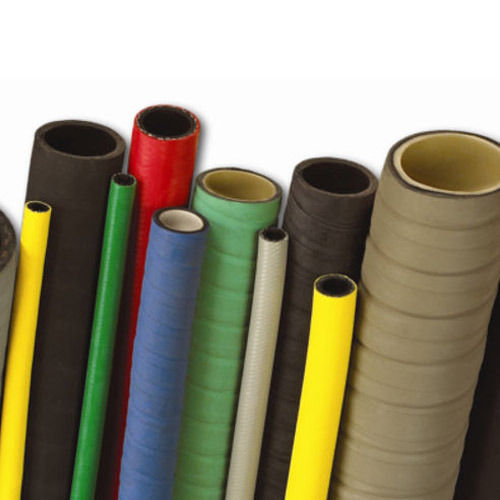
A: You can select from standard blue, red, or black silicone coverings, or request custom colors to match your branding or system requirements. Shapes (round, straight, elbow), lengths, wall thicknesses, and connection types are all customizable based on your needs.
Q: How does the manufacturing process ensure hose quality and durability?
A: Each hose is manufactured in India from premium silicone rubber and reinforced with durable fibers, following strict quality control processes under ISO 9001 guidelines. The result is a product with high flexibility, consistent wall thickness, and excellent resistance to heat, pressure, and environmental factors.
Q: What benefits do these silicone hoses provide over traditional hoses?
A: Silicone hoses maintain flexibility at extreme temperatures, resist cracking from ozone or UV, and withstand higher working pressures than conventional rubber hoses. They offer longer service life, reliability under stress, and are less prone to degradation, supporting reduced maintenance and overall cost savings.

 08045478841
 Send Inquiry
 English
 Spanish
 French
 German
 Italian
 Chinese (Simplified)
 Japanese
 Korean
 Arabic
 Portuguese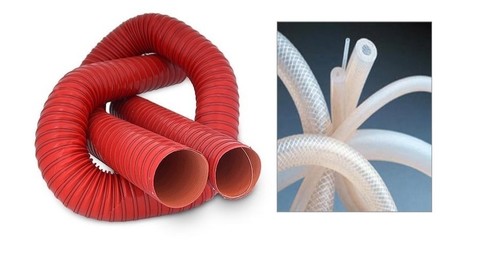




 Send Inquiry


